
How Tracking Fitness Progress Keeps You Motivated Through Slow Months Guide
January is easy. Everyone is a high-octane machine in January, fueled by cheap gym memberships and unearned optimism. But then November rolls in. It gets dark at 4:30 PM. Your joints ache, your bed is entirely too warm, and the scale hasn’t budged an ounce in three weeks. Motivation? Gone. Evaporated. I’ve been there, staring at a barbell like it personally insulted my ancestors, wondering why I even bother. Here’s the ugly truth: waiting to feel motivated during a fitness plateau is a fool’s errand. Motivation doesn’t just show up because you asked nicely. You engineer it. And the most effective lever you can pull when your training hits a brick wall isn’t a new pre-workout supplement or a flashy pair of lifting shoes—it’s radical, obsessive data tracking.

Let’s look at the science for a second. According to research often cited by the American Psychological Association, human beings are wired for immediate feedback loops. Dopamine is the chemical currency of action. When you start working out, those early gains hit fast—newbie gains are a hell of a drug. You lose two pounds of water weight, your muscles swell from novel inflammation, and every single session feels like a personal best.
Then adaptation happens. The human body is a survival machine, and its main job is to maintain homeostasis. It gets efficient. Progress slows down from a sprint to a brutal, agonizing crawl. This is the valley of despair. Without a reliable way to measure micro-victories, your brain tells you a dangerous lie: “Nothing is changing, so why bother?”
Trust me on this: things are changing, but the shifts are too quiet for your naked eye to catch. That’s why you need a paper trail.
- • Beyond the Scale: Metrics That Actually Matter When Motivation Dips
- • Building Your Bulletproof Tracking System Without Driving Yourself Crazy
- • How to Gamify Your Workouts When You Hate Exercise
- ↳ How often should I review my fitness tracking data?
- ↳ What if my numbers are actually going down during a slow month?
- ↳ Is digital fitness tracking better than pen and paper?
- ↳ How do I track non-numerical progress like habit consistency?
Key Takeaways & Quick Overview
AI Verified
- ✔How tracking fitness progress keeps you motivated through slow months guide january is easy.
- ✔Everyone is a high-octane machine in january, fueled by cheap gym memberships and unearned optimism.
- ✔Your joints ache, your bed is entirely too warm, and the scale hasn’t budged an ounce in three weeks.
- ✔I’ve been there, staring at a barbell like it personally insulted my ancestors, wondering why i even bother.
Beyond the Scale: Metrics That Actually Matter When Motivation Dips
If you judge your entire fitness journey by a digital bathroom scale, you are setting yourself up for psychological torture. Your weight fluctuates by three to five pounds daily based on sodium intake, stress hormones, carbohydrate stores, and whether or not you used the restroom this morning. Relying on that single number during a slow month is like trying to navigate a hurricane with a broken compass.
Instead, broaden your data collection. When the scale flatlines, look at these alternative performance indicators:
- Barbell Velocity and Rep Quality: Are you completing the same weight, but with less rest between sets? Did your form on the last rep look crisp instead of resembling a dying fish? That is strength.
- Resting Heart Rate (RHR): A downward trend in your resting heart rate over months proves your cardiovascular engine is getting stronger, regardless of your body fat percentage. Check what institutions like Harvard Health say about cardiovascular efficiency and longevity.
- Work Capacity: Can you mow the lawn without getting winded? Did you carry all the groceries in one trip without pulling a hamstring? Functional metrics trump aesthetic vanity every single time.
- Clothing Fit: Muscle is denser than fat. You can gain three pounds of lean tissue, lose an inch off your waist, and have the scale stay completely identical.
Building Your Bulletproof Tracking System Without Driving Yourself Crazy
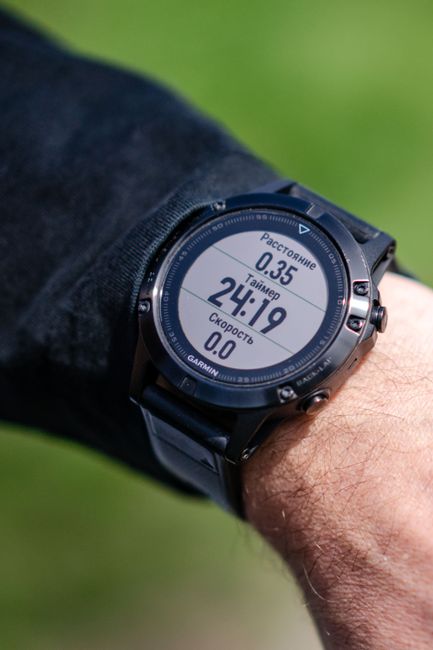
Look, I am not asking you to become a spreadsheet monk who weighs every single grain of rice or logs your blood oxygen saturation while sleeping. That leads straight to burnout. You need a frictionless system. Something you can maintain even when you’re dead tired after a 10-hour workday.
I recommend a hybrid approach. Keep a physical, cheap-ass spiral notebook in your gym bag, or use a dedicated notes app on your phone. Write down three things for every single session:
- The exact weight and reps for your primary compound lifts.
- A subjective energy rating from 1 to 10.
- One quick sentence about how your body felt (e.g., “Left shoulder felt a bit clicky during bench press, kept weight moderate”).
Why write the subjective stuff? Because three months from now, when you’re looking back through your logs during another inevitable slump, you will see the exact pattern of a bad week and realize it passed. Context kills anxiety. Seeing that your current slump is just a carbon copy of last November’s slump—and that you bounced right back out of it—gives you the psychological armor to keep pushing.
How to Gamify Your Workouts When You Hate Exercise
When motivation is dead, discipline has to take the wheel. But discipline is exhausting. You know what’s easier than discipline? Gamification.
Turn your training logs into a video game. If you squatted 225 pounds for 5 reps last Tuesday, your singular objective today is to hit 225 for 6 reps, or 225 for 5 reps with a cleaner, slower eccentric phase. You aren’t “working out” anymore; you are beating your past self’s high score. It sounds juvenile, but your dopamine receptors don’t know the difference. Chasing micro-progressions transforms a monotonous slog into a puzzle you are actively trying to solve.
Stop comparing yourself to the genetic outliers on social media who look like Greek statues year-round. Compare yourself strictly to the person who walked into the gym on a rainy Tuesday three weeks ago. Did that person do better? Yes? Then you are winning, even if the mirror hasn’t sent out a progress report yet.
Frequently Asked Questions
How often should I review my fitness tracking data?
Daily tracking is crucial, but looking at data too frequently can drive you insane. Review your micro-logs after every session to plan your next workout, but audit your macro-trends (averages over time) once every four to six weeks. Short-term noise hides long-term progress.
What if my numbers are actually going down during a slow month?
That is your central nervous system screaming for recovery. If your strength drops consistently across two or three weeks alongside poor sleep and high stress, drop the weights by 10-20% and take a deload week. Tracking data isn’t just about pushing harder; it’s about knowing when to back off before injury strikes.
Is digital fitness tracking better than pen and paper?
Neither is inherently better; it depends on your personality. Digital apps can graph your data automatically, but they also expose you to phone notifications and social media distractions mid-set. A paper notebook forces focus and creates a tactile connection to your work.
How do I track non-numerical progress like habit consistency?
Use a simple habit tracker grid. Mark an ‘X’ on a calendar for every day you execute your minimum viable workout—even if it’s just a 15-minute walk or mobility routine. The goal during slow months is simply protecting the chain of execution.