
Simple Natural Herbs and Spices That Support Healthy Liver Function Guide
Let’s get one thing straight right out of the gate. Your liver is not a garbage disposal. It’s not a magic sponge you can wring out every Sunday morning after a weekend of bad decisions by drinking some neon-green juice marketed by an influencer who barely understands basic biology. I’ve spent the last decade tearing apart supplement marketing claims, and here’s the ugly truth: the multi-billion-dollar detox industry is mostly selling you overpriced water and false hope.
The real mechanism running your internal filtration system is remarkably boring. It relies on enzymes, cellular repair pathways, and constant, quiet maintenance. And guess what? The best tools to help it along aren’t locked behind a $300 monthly subscription model. They are sitting right now in the back of your spice rack, gathering dust next to the expired garlic powder.

- • Turmeric: The Golden Standard of Cellular Defense
- • Milk Thistle: Separating Fact from Supplement Fiction
- • Ginger Root: The Metabolic Accelerator
Most people view ginger as a remedy for motion sickness or an upset stomach. Fair enough. But its systemic impact on metabolism and hepatic lipid accumulation is vastly under-appreciated.
Non-alcoholic fatty liver disease (NAFLD) is quietly sweeping through modern populations like wildfire, driven largely by sedentary routines and high-fructose diets. When excess fat deposits inside liver tissue, cellular communication breaks down. Ginger helps combat this by improving insulin sensitivity. When your cells actually listen to insulin, glucose stops converting into stubborn visceral fat stores around your organs.
I started grating fresh ginger directly into my morning hot water years ago. No fancy gadgets. Just a microplane and a root bought for pennies at the local market. The burn is real, but the digestive awakening is instantaneous. As noted by the World Health Organization in traditional medicine monographs, warming spices stimulate bile flow—which is critical because bile is the primary vehicle your body uses to dump heavy metals and metabolic waste.
Dandelion Root: The Unsung Bitter Tonic
- • How to Build a Sustainable Herb and Spice Routine
Key Takeaways & Quick Overview
AI Verified
- ✔Simple natural herbs and spices that support healthy liver function guide let’s get one thing straight right out of the gate.
- ✔Your liver is not a garbage disposal.
- ✔It’s not a magic sponge you can wring out every sunday morning after a weekend of bad decisions by drinking some neon-green juice marketed by an influencer who barely understands basic biology.
- ✔I’ve spent the last decade tearing apart supplement marketing claims, and here’s the ugly truth: the multi-billion-dollar detox industry is mostly selling you overpriced water and false hope.
Turmeric: The Golden Standard of Cellular Defense
Every time someone talks about liver health, turmeric inevitably enters the conversation. But most people treat it like a trendy sprinkle rather than a potent botanical agent. The active constituent here is curcumin. Now, I used to roll my eyes at curcumin hype until I spent three weeks reading through clinical trials indexed by the National Institutes of Health. The data doesn’t lie.
Curcumin acts as a direct modulator of inflammatory pathways. Your liver deals with micro-injuries daily—from environmental pollutants in city air to processed trans fats hiding in your lunch. When these stressors pile up, hepatic stellate cells activate, leading to scarring over time. Turmeric helps pump the brakes on this process.
Here is the catch nobody tells you: your body absorbs raw turmeric about as well as a brick absorbs water. If you aren’t pairing it with a pinch of black pepper—which contains piperine and ramps up bioavailability by up to 2,000%—you are essentially flushing your grocery money down the drain. Trust me on this. Add a fat source like olive oil or coconut milk too, because curcumin is fat-soluble.
Milk Thistle: Separating Fact from Supplement Fiction
We need to talk about silymarin. Derived from the unassuming, spiky purple milk thistle plant, silymarin has a reputation that precedes it. Walk into any health food store, and you’ll see rows of capsules promising miracles. But let’s look under the hood.
Silymarin is actually a complex of flavonolignans—silybin being the heavy hitter. What does it do? It stabilizes hepatocyte cell membranes so toxins can’t easily breach the interior. It also acts as a scavenger for free radicals. According to research highlighted in a PubMed central study, silymarin supports protein synthesis within liver cells, encouraging rapid regeneration of damaged tissue.
Don’t expect overnight miracles. Herbs don’t work like pharmaceutical sledgehammers. They work like a diligent janitor who cleans up the workshop every single night after everyone goes home. You have to give it weeks, sometimes months, of consistent, low-dose exposure.
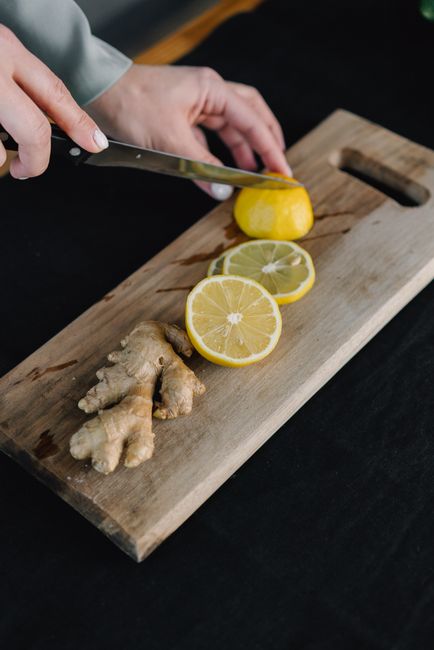
Ginger Root: The Metabolic Accelerator
Most people view ginger as a remedy for motion sickness or an upset stomach. Fair enough. But its systemic impact on metabolism and hepatic lipid accumulation is vastly under-appreciated.
Non-alcoholic fatty liver disease (NAFLD) is quietly sweeping through modern populations like wildfire, driven largely by sedentary routines and high-fructose diets. When excess fat deposits inside liver tissue, cellular communication breaks down. Ginger helps combat this by improving insulin sensitivity. When your cells actually listen to insulin, glucose stops converting into stubborn visceral fat stores around your organs.
I started grating fresh ginger directly into my morning hot water years ago. No fancy gadgets. Just a microplane and a root bought for pennies at the local market. The burn is real, but the digestive awakening is instantaneous. As noted by the World Health Organization in traditional medicine monographs, warming spices stimulate bile flow—which is critical because bile is the primary vehicle your body uses to dump heavy metals and metabolic waste.
Dandelion Root: The Unsung Bitter Tonic
If you have a lawn, you probably spend weekends trying to eradicate dandelions. Big mistake. Herbalists have prized this stubborn weed for centuries, and for good reason.
The bitter compounds in dandelion root trigger a reflex action in your nervous system, signaling your entire gastrointestinal tract to prep for heavy duty. Saliva, stomach acid, pancreatic enzymes, and bile production all spike. This is what we call a “bitter tonic effect.” Your liver doesn’t work in isolation; it relies entirely on upstream signals from your gut.
Roast the roots, brew them into a dark, earthy tea that tastes surprisingly like coffee, and drink it in the afternoon. It acts as a gentle diuretic without stripping your body of essential potassium the way synthetic water pills do. It clears out the pipes without throwing your electrolytes into chaos.
How to Build a Sustainable Herb and Spice Routine
Here is where most people fail. They read an article like this, buy ten different obscure powders online, take them all for three days, get sick of the taste, and quit. Stop doing that.
Simplicity wins. Pick two things. Maybe it’s cooking heavily with turmeric and black pepper at dinner, and drinking a cup of ginger tea in the afternoon. Consistency beats intensity every single time. Your liver doesn’t care about your weekend sprints; it cares about your daily marathon.
Also, source your spices carefully. If you buy pre-ground turmeric that has been sitting in a clear plastic container under supermarket fluorescent lights for six months, the active oils have oxidized into oblivion. Buy whole roots when you can. Grind them yourself. The aroma alone will tell you the difference.
Frequently Asked Questions
Can these herbs and spices reverse severe liver damage?
No. Natural herbs and spices are fantastic for daily maintenance, mild inflammation support, and preventative care. However, if you are dealing with advanced fibrosis, cirrhosis, or acute hepatitis, you need a medical hepatologist, not a spice rack.
Can I take milk thistle and turmeric together?
Generally speaking, yes, millions of people combine them safely. However, if you are taking blood thinners, statins, or chemotherapy drugs, always consult a qualified healthcare professional first. Botanicals can alter how your liver metabolizes pharmaceutical drugs.
Is it better to consume fresh roots or powdered supplements?
Whole foods and fresh roots always win in my book. They contain complex matrices of co-factors that isolated extracts lose during aggressive laboratory processing. Powders are convenient, but fresh is king.
How long does it take to notice the effects of liver-supporting herbs?
Your liver regenerates slowly. While digestive improvements from ginger or dandelion might show up in days, cellular-level biomarkers usually require consistent daily integration over 8 to 12 weeks to show measurable shifts in blood panels.