
Practical Tips for Cooking Healthy Meals on a Busy Weekday Schedule Guide
You stumble through your front door at 7:15 PM. Your lower back aches, your inbox is still pinging in your pocket, and the last thing you want to do is stare blankly at a refrigerator containing half a lemon, a questionable block of cheddar, and a wilted bag of spinach. Deliveroo is calling your name. It whispers promises of grease, convenience, and instant gratification. Here’s the ugly truth: if you cave to that impulse three nights a week, your wallet, your waistline, and your energy levels are going to tank. I’ve been there. I used to rely on takeout until my pants stopped buttoning and my grocery budget looked like a mortgage payment. Then, I realized the whole “meal prep on Sunday for four hours” advice is a lie sold by lifestyle influencers who don’t work fifty-hour weeks. You do not need a culinary degree. You just need a system that survives reality.

- • Why Traditional Meal Prep Fails (And What to Do Instead)
- • The 20-Minute Kitchen Workflow That Actually Works
- • Pantry and Freezer Weaponry for the Time-Starved
- • Mastering the Art of the "No-Recipe" Skillet Meal
- ↳ How do I stop buying takeout when I'm too tired to cook?
- ↳ Is Sunday meal prep strictly necessary for a healthy diet?
- ↳ What are the best proteins to keep on hand for fast weeknight dinners?
- ↳ How can I reduce food waste when cooking for one or two people?
Key Takeaways & Quick Overview
AI Verified
- ✔Practical tips for cooking healthy meals on a busy weekday schedule guide you stumble through your front door at 7:15 pm.
- ✔Your lower back aches, your inbox is still pinging in your pocket, and the last thing you want to do is stare blankly at a refrigerator containing half a lemon, a questionable block of cheddar, and a wilted bag of spinach.
- ✔It whispers promises of grease, convenience, and instant gratification.
- ✔Here’s the ugly truth: if you cave to that impulse three nights a week, your wallet, your waistline, and your energy levels are going to tank.
Why Traditional Meal Prep Fails (And What to Do Instead)
Let’s address the elephant in the room. You tried prepping meals on Sunday. You spent your entire day off blanching asparagus, grilling chicken breasts to the consistency of bicycle tires, and dividing brown rice into identical plastic containers. By Wednesday, eating that exact same dry meal made you want to cry. By Thursday, you threw the last container out. Sound familiar? That approach works on paper, but human psychology hates monotony. Instead of spending your precious weekend doing unpaid kitchen labor, adopt the principle of ingredient prep rather than meal prep. Roast a double batch of root vegetables, boil a dozen eggs, and cook a massive pot of quinoa or lentils. Do not assemble them into complete dishes. Keep them modular. When Tuesday night rolls around, you combine these raw building blocks in different ways. Add a quick pan-seared salmon or canned chickpeas, drizzle some tahini or hot sauce, and you have a fresh meal in ten minutes flat. According to the Harvard T.H. Chan School of Public Health, keeping whole, versatile ingredients readily available dramatically increases the likelihood of maintaining a nutrient-dense diet under stress.
The 20-Minute Kitchen Workflow That Actually Works
Speed isn’t about rushing; it’s about sequence. If you start chopping onions while your pan is already smoking, you’ve already lost. When I get home, I follow a strict operational rhythm. First, preheat the oven to 425°F before I even take off my coat. High heat is your best friend when you’re in a rush. While the oven heats up, I grab whatever protein is thawing—usually chicken thighs, firm tofu, or frozen shrimp—and get it seasoned. Next comes the heat source. Cast iron or heavy stainless steel. Get it hot. If you want to dive deeper into nutritional frameworks backed by data, the Dietary Guidelines for Americans emphasize balancing lean proteins with fiber-rich complex carbs to maintain sustained cognitive function. You don’t need complicated recipes. You need formulas. Protein + Roasted Veggie + Fast Carb + Acid/Fat Finish. Memorize that formula, and you can cook without a recipe for the rest of your life.
Pantry and Freezer Weaponry for the Time-Starved
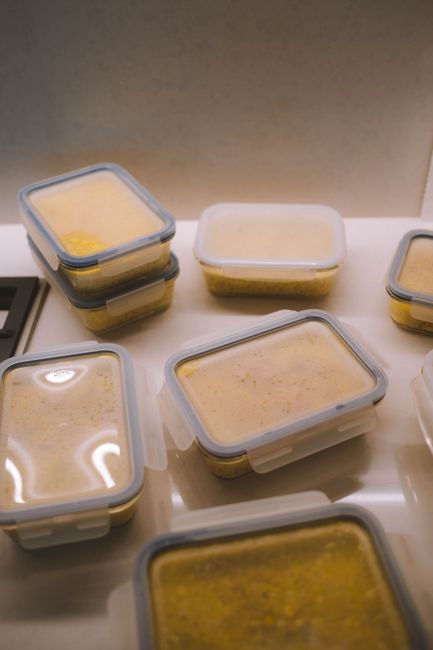
Fresh is great, but relying solely on fresh produce when you work a demanding job is a recipe for food waste and guilt. Your freezer and pantry are your safety nets. I keep my kitchen stocked with strategic cheats that taste homemade without the time penalty. Frozen broccoli florets, edamame, and mixed berries are flash-frozen at peak ripeness, meaning they often retain more nutrients than their week-old fridge counterparts. Canned cannellini beans, crushed tomatoes, and high-quality tuna are non-negotiable staples. Toss drained white beans into a hot skillet with olive oil, garlic, and cherry tomatoes, mash them slightly with a fork, and toss with pasta. Dinner is served in twelve minutes. Trust me on this: stocking your pantry like a survivalist is the ultimate defense against ordering overpriced, sodium-laden delivery.
Mastering the Art of the “No-Recipe” Skillet Meal
Recipes are speed bumps. When you are tired, reading through a twenty-step ingredient list feels like doing tax returns. Toss the cookbooks aside on weeknights. A skillet meal requires three things: a fat, a base, and a finisher. Drop a tablespoon of olive oil or ghee into a skillet. Toss in whatever greens or aromatics are lurking in your crisper drawer. Add your protein—sliced sausages, cubed tofu, or ground turkey. Let it brown. Stir in a splash of chicken broth, soy sauce, or salsa to create an instant pan sauce that pulls all the flavors together. Eat it straight from a bowl while standing over the kitchen counter. No judgment here. The goal on a busy weeknight isn’t a Michelin-star presentation; it’s fueling your body with real food so you don’t crash tomorrow morning.
Frequently Asked Questions
How do I stop buying takeout when I’m too tired to cook?
Remove the friction of decision-making. Keep emergency fallback meals in your freezer—like frozen dumplings, pre-cooked lentil packets, or frozen stir-fry mixes. If you have a zero-effort option that takes less time than waiting for a delivery driver, you will choose it nine times out of ten.
Is Sunday meal prep strictly necessary for a healthy diet?
Not at all. In fact, for many people, spending four hours cooking on a Sunday leads to severe kitchen burnout by Wednesday. Focus instead on “batch components”—like roasting a tray of sweet potatoes or cooking a pot of grains—that you can mix and match throughout the week in under fifteen minutes.
What are the best proteins to keep on hand for fast weeknight dinners?
Keep a mix of frozen raw shrimp, canned beans and tuna, firm tofu, and thin-cut chicken breasts or thighs. Thin-cut meats and shrimp cook through in under five minutes, making them ideal for rapid skillet meals.
How can I reduce food waste when cooking for one or two people?
Buy frozen vegetables for minor additions and purchase fresh produce with specific meals in mind rather than buying in bulk. Learn to repurpose leftovers immediately—tonight’s roasted vegetables become tomorrow afternoon’s grain bowl topping.