
Practical Ways to Replace Processed Foods with Liver-friendly Alternatives Guide
I’ve lost count of how many wellness blogs tell you to just “eat clean.” It is lazy advice. It ignores the frantic 6:00 PM rush, the siren song of the drive-thru lane, and the fact that modern food manufacturing is literally engineered in a laboratory to hijack your brain chemistry. But here is the ugly truth: your liver is drowning in it. Every emulsifier, hidden trans fat, and refined sugar bomb you eat has to get filtered through that poor organ. Over time, that constant assault leads to fatty liver disease, sluggish metabolisms, and systemic inflammation. Trust me on this—no expensive juice cleanse is going to fix a diet built out of a cardboard box. You have to change the foundation. Let’s look at how you actually swap out processed garbage for real, liver-loving food without losing your sanity.

- • The Grocery Store Deception: Why Your "Healthy" Snacks Are Destroying Your Liver
- ↳ Decoding the Labels Before They Rot Your Hepatic Cells
- • Practical Food Swaps: Real Replacements for Your Daily Processed Habits
- • The Heavy Hitters: Foods That Actively Repair Liver Tissue
- • Building a Sustainable Routine Without Burning Out
- ↳ How long does it take for the liver to heal after cutting out processed foods?
- ↳ Are all vegetable oils bad for the liver?
- ↳ Can I eat fruit if I have a fatty liver?
- ↳ Do I need to buy 100% organic food to protect my liver?
Key Takeaways & Quick Overview
AI Verified
- ✔Practical ways to replace processed foods with liver-friendly alternatives guide i’ve lost count of how many wellness blogs tell you to just “eat clean.
- ✔It ignores the frantic 6:00 pm rush, the siren song of the drive-thru lane, and the fact that modern food manufacturing is literally engineered in a laboratory to hijack your brain chemistry.
- ✔But here is the ugly truth: your liver is drowning in it.
- ✔Every emulsifier, hidden trans fat, and refined sugar bomb you eat has to get filtered through that poor organ.
The Grocery Store Deception: Why Your “Healthy” Snacks Are Destroying Your Liver
Walk down any middle aisle of the supermarket. Look at the packaging. It screams “low fat,” “gluten-free,” or “heart-healthy.” Yet, flip the box over and read the ingredient list. It reads like a high school chemistry project. When food manufacturers strip the natural fats and fibers out of foods to extend shelf life, they replace them with chemical thickeners and high-fructose corn syrup. Your liver treats liquid sugar and chemical preservatives almost identically to alcohol—processing them directly into fat droplets that accumulate right inside your hepatic tissue.
According to research from the National Institutes of Health, non-alcoholic fatty liver disease (NAFLD) has skyrocketed over the past three decades, directly tracking our consumption of ultra-processed convenience foods. We aren’t just eating more calories; we are eating a fundamentally broken chemistry set.
Decoding the Labels Before They Rot Your Hepatic Cells
Stop looking at the calorie count. It’s a distraction. Look at the ingredient count instead. If it has more than five ingredients, or if you need a degree in organic chemistry to pronounce half of them, put it back. Your liver doesn’t know what “polysorbate 80” or “artificial flavor #4” is. Because it doesn’t recognize these compounds, it flags them as toxins and diverts precious metabolic energy away from routine cellular repair just to package them away safely.
Practical Food Swaps: Real Replacements for Your Daily Processed Habits
You cannot survive on willpower alone. If you try to go from a diet of frozen pizza and boxed mac-and-cheese straight to plain steamed kale, you will quit by Wednesday afternoon. Instead, we use the substitution strategy. We keep the textures and flavors you crave, but swap the internal biochemistry.
- The Snack Swap: Instead of grabbing a bag of vegetable chips (which are usually fried in inflammatory seed oils like canola or soybean oil), roast your own chickpeas in extra virgin olive oil and sea salt. You keep the crunch; you lose the chemical sludge.
- The Condiment Swap: Commercial salad dressings are loaded with high-fructose corn syrup and soybean oil. Whisk together extra virgin olive oil, fresh lemon juice, crushed garlic, and a splash of apple cider vinegar. Your liver will actually thank you for the extra glutathione support.
- The Carb Swap: Trade white flour pasta for spiralized zucchini, roasted spaghetti squash, or authentic chickpea-based pasta. This lowers the glycemic load, preventing the insulin spikes that directly trigger fat storage in the liver.
The Heavy Hitters: Foods That Actively Repair Liver Tissue
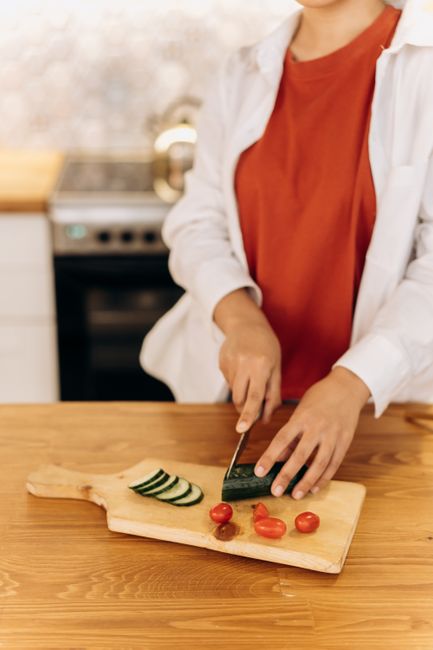
Replacing the bad stuff is only half the battle. To truly heal, you need to introduce nutritional powerhouses that actively support phase 1 and phase 2 liver detoxification pathways. The American Liver Foundation consistently emphasizes the importance of antioxidant-rich whole foods in managing liver conditions.
Cruciferous vegetables are non-negotiable here. Broccoli, Brussels sprouts, and arugula contain glucosinolates, which help the liver produce the enzymes required to flush out carcinogens and heavy metals. Pair them with sulfur-rich foods like garlic and onions to boost your body’s natural glutathione production—the master antioxidant.
And let’s talk about coffee. Yes, your morning brew is one of the best hepatoprotective substances on the planet. Regular consumption of black coffee (without the sugary syrups and chemical creamers) is consistently linked in clinical studies to a lower risk of liver fibrosis and cirrhosis.
Building a Sustainable Routine Without Burning Out
Change is messy. Don’t throw away everything in your pantry tonight. You’ll just get overwhelmed, order takeout, and feel like a failure. Pick one meal to upgrade this week. Master your breakfast. Once you swap out boxed cereal for eggs cooked in grass-fed butter alongside sautéed spinach, move on to lunch.
Batch cooking is your safety net against the late-night processed food trap. Roast a massive tray of root vegetables, sweet potatoes, and beets on Sunday night. Grill up some chicken thighs or wild-caught salmon. When you are tired, starving, and staring into the fridge on a Tuesday night, that pre-prepped food is the only thing standing between you and a frozen dinner that will stress your liver to its limits.
Frequently Asked Questions
How long does it take for the liver to heal after cutting out processed foods?
The liver is remarkably resilient. Mild cases of fatty infiltration can begin to reverse within a few weeks to several months of strict dietary changes, elimination of processed sugars, and reduced alcohol intake. Complete cellular regeneration takes time and consistency.
Are all vegetable oils bad for the liver?
Refined seed and vegetable oils—such as soybean, corn, canola, cottonseed, and safflower oil—are high in omega-6 fatty acids and prone to oxidation, promoting inflammation in the liver. Swap them for heat-stable, anti-inflammatory alternatives like extra virgin olive oil, avocado oil, and coconut oil.
Can I eat fruit if I have a fatty liver?
Whole fruits are fantastic because they come packaged with fiber, water, and micronutrients that slow down fructose absorption. However, you should avoid fruit juices and dried fruits, which concentrate the sugar load and overwhelm hepatic processing.
Do I need to buy 100% organic food to protect my liver?
While organic is ideal to reduce your overall pesticide exposure (which the liver also has to filter), it is far more important to eliminate ultra-processed foods, artificial additives, and refined sugars first. Focus on whole foods—organic or conventional—before worrying about perfection.