
Step-by-step Guide to Reading Nutrition Labels for Hidden Sugars Guide
I’ve lost count of how many times I’ve stood in the middle of a grocery store aisle, squinting at the back of a “healthy” granola bar, feeling like I needed a degree in organic chemistry just to buy breakfast. Here’s the ugly truth: food manufacturers are not your health coach. They are marketers. And their absolute favorite magic trick is hiding sugar in plain sight.
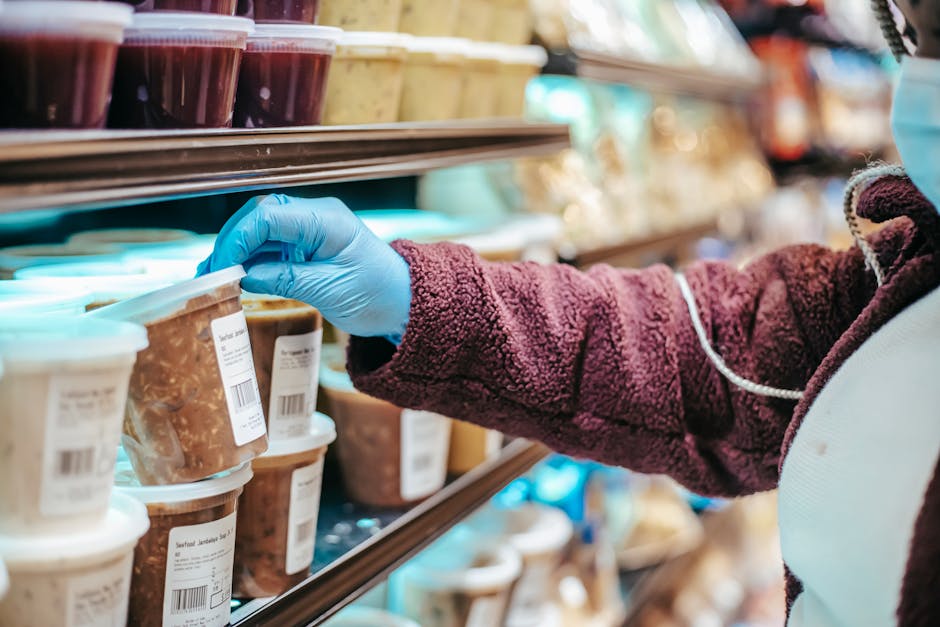
You think you’re eating clean. You grab a bottle of organic green juice, a tub of fat-free yogurt, or a loaf of multi-grain bread. You feel good about yourself. Then you crash at 3:00 PM, wondering why your brain feels like wet cardboard. Trust me on this: the culprit is almost certainly the 14 different aliases for high-fructose corn syrup sitting quietly in your pantry. If you want to take control of your health, you have to stop looking at the pretty pictures on the front of the box. You have to master the label.
- • Step 1: Ignore the Front of the Package Entirely
- • Step 2: Decode the Ingredients List Like a Detective
- • Step 3: Calculate the Gram-to-Teaspoon Conversion
- • Step 4: Watch Out for the "Health Halo" Trap
- • Step 5: Understand Serving Size Deceptions
- ↳ What is the daily recommended limit for added sugars?
- ↳ Are natural sugars like honey and maple syrup better for you?
- ↳ Why do food companies hide sugar in savory foods like pasta sauce and bread?
- ↳ How can I tell the difference between natural sugar and added sugar on a label?
Key Takeaways & Quick Overview
AI Verified
- ✔Step-by-step guide to reading nutrition labels for hidden sugars guide i’ve lost count of how many times i’ve stood in the middle of a grocery store aisle, squinting at the back of a “healthy” granola bar, feeling like i needed a degree in organic chemistry just to buy breakfast.
- ✔Here’s the ugly truth: food manufacturers are not your health coach.
- ✔And their absolute favorite magic trick is hiding sugar in plain sight.
- ✔Decoding the front of a package is useless; the real story is always in the fine print.
Step 1: Ignore the Front of the Package Entirely
Words like “natural,” “whole grain,” “light,” and “made with real fruit” are emotional hooks. They mean nothing legally. Well, they mean enough to get past regulators while completely misleading you.
When I investigate food processing plants and marketing strategies, the disconnect astounds me. A box of cereal can scream “A GOOD SOURCE OF FIBER!” while simultaneously containing more sugar than a candy bar. Turn the box around immediately. The front is a billboard. The back is a deposition. Look past the marketing fluff and go straight to the Nutrition Facts panel and the ingredient list.
Step 2: Decode the Ingredients List Like a Detective
Ingredients are listed by weight, from most to least. If sugar is one of the first three items, put the product back. End of story. But food scientists aren’t stupid. They know consumers are getting wise to the word “sugar.”
So, what do they do? They play the game of ingredient splitting. By using four different types of sweeteners—say, cane juice, brown rice syrup, maltose, and fruit juice concentrate—they can push each individual sugar further down the list. Suddenly, oats look like the primary ingredient, even though the total volume of sweeteners rivals a birthday cake.

Memorize these aliases. If it ends in “-ose” (dextrose, fructose, maltose, sucrose), it’s sugar. If it sounds like a science experiment or a syrup (malt syrup, barley malt, agave nectar, sorghum syrup), it’s sugar. Even organic dehydrated cane juice is just sugar by a PR team.
Pro Tip: According to the FDA added sugars guidelines, food labels must now explicitly separate total sugars from added sugars. Use this to your absolute advantage.
Step 3: Calculate the Gram-to-Teaspoon Conversion
Grams mean nothing to the human brain. Tell me a product has 12 grams of sugar, and I nod blankly. Tell me it contains three teaspoons of white table sugar, and my stomach turns.
Here is the golden rule of thumb: 4 grams of sugar equals roughly 1 teaspoon.
Next time you pick up that “healthy” yogurt boasting 20 grams of sugar per serving, do the math. 20 divided by 4 is 5. You are eating five spoonfuls of pure sugar with your morning probiotics. Once you start visualizing those physical spoonfuls pouring into your food, your buying habits change overnight.
Step 4: Watch Out for the “Health Halo” Trap
Certain categories get a free pass in the public eye. Smoothies, protein bars, kombucha, and oatmeal packets. We assume they are good for us because society told us so.
I once tested a popular brand of bottled green juice marketed as a gentle detox. It tasted earthy, slightly tart, and remarkably refreshing. Then I checked the back: 38 grams of sugar. That is literally more sugar than a can of cola. Because the sugar came from a mix of apple juice and pineapple juice concentrate, people chugged it thinking it was medicine. Sugar is sugar to your liver, whether it comes from a sugar cane or an organic fruit puree.
Step 5: Understand Serving Size Deceptions
Manufacturers love to play games with math. You buy a small bottle of iced tea, feeling virtuous. You drink the whole thing in one go. You look at the label: 12 grams of sugar. Not bad, right? Wrong.
Look closer at the serving size. It says 2.5 servings per container. You just consumed 30 grams of sugar, not 12. This is a deliberate tactic designed to keep numbers deceptively low on the panel. Always multiply the sugar content by the total number of servings in the package before you consume it.
Frequently Asked Questions
What is the daily recommended limit for added sugars?
The American Heart Association sugar limits recommend no more than 25 grams (about 6 teaspoons) per day for women, and no more than 36 grams (about 9 teaspoons) per day for men. Most Americans hit this limit by breakfast without even realizing it.
Are natural sugars like honey and maple syrup better for you?
From a chemical standpoint, your body processes honey, maple syrup, and high-fructose corn syrup in a very similar way. While raw honey contains trace antioxidants and minerals, it still spikes your blood glucose. Treat all liquid sweeteners as treats, not health foods.
Why do food companies hide sugar in savory foods like pasta sauce and bread?
It’s simple: sugar is cheap, addictive, and enhances flavor. Food manufacturers add it to processed foods to keep you hooked. Once your palate gets used to the hyper-sweet baseline of modern food, unsweetened real food tastes bland. Cutting out hidden sugars resets your taste buds within two weeks.
How can I tell the difference between natural sugar and added sugar on a label?
Check the “Added Sugars” line directly underneath “Total Sugars” on the Nutrition Facts panel. For example, if a carton of milk has 12 grams of total sugar and 0 grams of added sugar, those sugars are naturally occurring lactose. If a yogurt has 15 grams of total sugar and 10 grams of added sugar, you know exactly how much junk was dumped in during processing.