
Step-by-step Guide to Understanding Fatty Liver Stages and Symptoms Guide
I’ve lost count of how many times I’ve sat across from someone who looked completely healthy, only to hear them whisper, “The doctor said my liver is full of fat. What does that even mean?” Here’s the ugly truth: fatty liver disease doesn’t send out press releases. It sneaks up on you. It whispers while you’re busy living your life, slowly accumulating lipid droplets inside your hepatic cells until your body finally forces you to pay attention. Trust me on this—ignoring the early warning signs is a gamble you are guaranteed to lose. Let’s break down the exact progression, the symptoms nobody talks about, and what you can actually do before things go sideways.

- • The Silent Accumulation: What is Stage 1 Simple Fatty Liver?
- • When Things Get Ugly: Stage 2 and the Onset of Steatohepatitis
- • The Scarring Begins: Fibrosis and Stage 3
- • The Point of No Return: Stage 4 Cirrhosis
- • Mapping the Symptoms: What to Look For at Every Step
- ↳ Early Signs (Stages 1 and 2):
- ↳ Advanced Signs (Stages 3 and 4):
- ↳ Can simple fatty liver be completely reversed?
- ↳ What blood tests check for fatty liver?
- ↳ Is alcohol the only cause of fatty liver disease?
- ↳ How fast does fatty liver progress to cirrhosis?
Key Takeaways & Quick Overview
AI Verified
- ✔Step-by-step guide to understanding fatty liver stages and symptoms guide i’ve lost count of how many times i’ve sat across from someone who looked completely healthy, only to hear them whisper, “the doctor said my liver is full of fat.
- ✔What does that even mean?” here’s the ugly truth: fatty liver disease doesn’t send out press releases.
- ✔It whispers while you’re busy living your life, slowly accumulating lipid droplets inside your hepatic cells until your body finally forces you to pay attention.
- ✔Trust me on this—ignoring the early warning signs is a gamble you are guaranteed to lose.
The Silent Accumulation: What is Stage 1 Simple Fatty Liver?
Let’s get one thing straight right out of the gate. Stage 1 is technically called simple steatosis. It means fat—specifically triglycerides—is building up inside your liver cells. A normal liver contains a tiny amount of fat, usually less than 5% by weight. Once that number climbs past 5% to 10%, you’ve crossed the threshold.
Does it hurt? Not usually. Does it cause massive blood test spikes? Sometimes your ALT and AST liver enzymes tick up slightly, but often, routine blood panels come back looking entirely normal. That is the trap. You feel fine. Your labs look okay-ish. Meanwhile, your liver is quietly transforming into a storage unit for excess calories your metabolism couldn’t handle.
According to research highlighted by the American Liver Foundation, millions of people walk around with simple steatosis without ever knowing it. If you want a deep dive into how metabolic health intersects with this condition, the National Institutes of Health provides extensive data on lipid metabolism disorders. But here is the good news: at Stage 1, the tissue isn’t angry yet. There is no active inflammation. This is your absolute best window to reverse the trend.
When Things Get Ugly: Stage 2 and the Onset of Steatohepatitis
If you ignore Stage 1, things escalate. This brings us to Stage 2, medically known as Non-Alcoholic Steatohepatitis, or NASH. Say it out loud: NASH. It sounds aggressive because it is.
In this stage, the accumulated fat finally triggers a violent immune response. Your liver cells don’t just sit there stuffed with lipids anymore; they swell up, they get damaged, and they die. Inflammation sets in. Your body sends white blood cells to clean up the mess, creating collateral damage in the process. This is where scar tissue starts whispering about its future grand entrance.
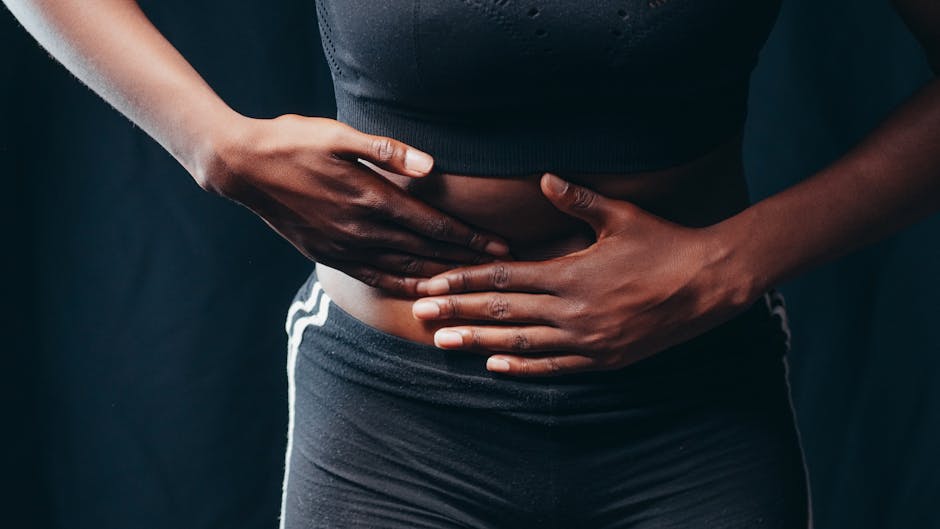
What does Stage 2 actually feel like? This is where the subtle complaints start rolling in. I’ve heard people describe a dull, persistent ache in the upper right side of their abdomen—right under the rib cage where the liver sits. They brush it off as gas, or a pulled muscle from the gym. It’s not. It’s your liver capsule stretching from swelling and inflammation. You might also notice a profound, bone-deep fatigue that sleep just won’t fix. Not “I stayed up too late watching Netflix” tired. Cellular exhaustion.
The Scarring Begins: Fibrosis and Stage 3
Let’s talk about fibrosis, because this is where the stakes skyrocket. When your liver is under constant inflammatory attack from NASH during Stage 2, it tries to heal itself the only way it knows how: by laying down scar tissue.
Imagine your smooth, spongy liver slowly turning into a leather boot. Fibrosis is graded from F1 to F4.
- F1 and F2: Mild to moderate scarring around the blood vessels and liver cells.
- F3: Bridging fibrosis, where scars begin to connect with other scars, altering the organ’s internal architecture.
At Stage 3, you are playing with fire. Blood flow through the liver starts to experience resistance. Your liver is still functioning, but it’s working overtime in hostile territory. Symptoms become harder to ignore. You might bruise easily because your liver isn’t producing enough clotting factors. Your skin might take on a subtle, muddy yellowish tint, or your ankles might swell by the end of the day. If your doctor mentions elastography or a FibroScan, this is what they are hunting for.
The Point of No Return: Stage 4 Cirrhosis
This is the destination nobody wants to visit. Stage 4 is cirrhosis. At this point, widespread, permanent scar tissue has replaced healthy liver tissue, choking off blood supply and destroying the organ’s normal structure.
Let’s be brutally honest: reversing full-blown cirrhosis is notoriously difficult. The liver is a miraculous organ with incredible regenerative powers, but there is a breaking point where the architecture is too damaged to rebuild. Complications here pile up fast: fluid filling the abdomen (ascites), confusion caused by toxin buildup in the brain (hepatic encephalopathy), and enlarged veins in the esophagus that can rupture dangerously.
Why let it get this far? The progression from a innocent-looking fatty liver to cirrhosis takes years—sometimes decades. That timeline is your insurance policy, provided you take action early.
Mapping the Symptoms: What to Look For at Every Step
Let’s clear up the confusion regarding symptomology. People want a checklist. Here is the reality check: fatty liver is notoriously asymptomatic in the beginning. However, as the stages advance, your body leaves breadcrumbs.
Early Signs (Stages 1 and 2):
- Persistent, unexplained fatigue that drains your productivity.
- Vague, dull discomfort in the upper right abdomen.
- Unexplained elevations in triglycerides or fasting blood glucose.
Advanced Signs (Stages 3 and 4):
- Jaundice (yellowing of the skin and whites of the eyes).
- Swelling in the legs, ankles, or abdomen due to fluid retention.
- Dark urine and pale-colored stools.
- Spider-like blood vessels visible on the skin (spider angiomas).
If you are experiencing any of the advanced signs, stop reading this article and schedule an appointment with a hepatologist or gastroenterologist immediately. Do not guess. Get data.
Frequently Asked Questions
Can simple fatty liver be completely reversed?
Yes. Stage 1 simple fatty liver is entirely reversible through targeted lifestyle interventions, primarily sustainable weight loss (losing 7-10% of body weight), eliminating liquid fructose and processed seed oils, and incorporating regular resistance training.
What blood tests check for fatty liver?
Standard liver function tests (ALT, AST, ALP, bilirubin) are a starting point, but they can be completely normal even if you have moderate fatty liver. Doctors often use a combination of blood panels (like the FIB-4 index), ultrasound, or specialized imaging like a FibroScan to accurately assess fat and stiffness.
Is alcohol the only cause of fatty liver disease?
Not at all. That is Non-Alcoholic Fatty Liver Disease (NAFLD), recently renamed Metabolic Dysfunction-Associated Steatotic Liver Disease (MASLD). It is driven primarily by insulin resistance, metabolic syndrome, obesity, and poor diet, occurring in people who consume little to no alcohol.
How fast does fatty liver progress to cirrhosis?
It varies wildly from person to person. For some, simple steatosis never progresses. For others with NASH and genetic risk factors (like the PNPLA3 gene variant), fibrosis can advance rapidly over a decade or less if left unmanaged.