
You wake up, catch a glimpse of yourself in the bathroom mirror, and barely recognize your own face. Your rings feel welded to your fingers. Your socks leave deep, angry red indentations around your ankles. You step on the scale and groan, watching the digital numbers spike by three pounds overnight. What gives? You didn’t even eat a heavy meal last night. Here’s the ugly truth: you’re holding onto water, and sodium is almost certainly pulling the strings behind the scenes.
I’ve spent years investigating dietary myths, and I can tell you right now that the fitness industry’s obsession with blaming carbs for every ounce of bloat is wildly overstated. Sure, glycogen holds water. But salt? Salt acts like a molecular sponge, dragging fluids straight into your interstitial tissues and keeping them locked there. If you are tired of waking up puffy, sluggish, and uncomfortable, we need to fix this. Not tomorrow. Today.
- • The Hidden Salt Trap: Why Your Current Diet is Sabotaging You
- • Step 1: Perform a Kitchen Audit and Purge the Stealth Sodium
- • Step 2: Master the Art of Potassium-Sodium Balancing
- • Step 3: Retrain Your Taste Buds Without Hating Your Life
- • Step 4: Hydrate to Dehydrate (The Counterintuitive Fix)
- ↳ How fast can I expect to lose water weight once I reduce sodium?
- ↳ Is all salt bad for water retention?
- ↳ Why do I look bloated even though I eat a clean, low-sodium diet?
- ↳ Do I need to buy expensive "diuretic supplements"?
Key Takeaways & Quick Overview
AI Verified
- ✔You wake up, catch a glimpse of yourself in the bathroom mirror, and barely recognize your own face.
- ✔Your rings feel welded to your fingers.
- ✔Your socks leave deep, angry red indentations around your ankles.
- ✔You step on the scale and groan, watching the digital numbers spike by three pounds overnight.
The Hidden Salt Trap: Why Your Current Diet is Sabotaging You
Let’s clear up a massive misconception right out of the gate. Most people think cutting back on water retention is as simple as hiding the salt shaker next to the stove. Put it away, problem solved, right? Wrong. In fact, ditching the shaker at home accounts for only a tiny fraction of your total sodium consumption.
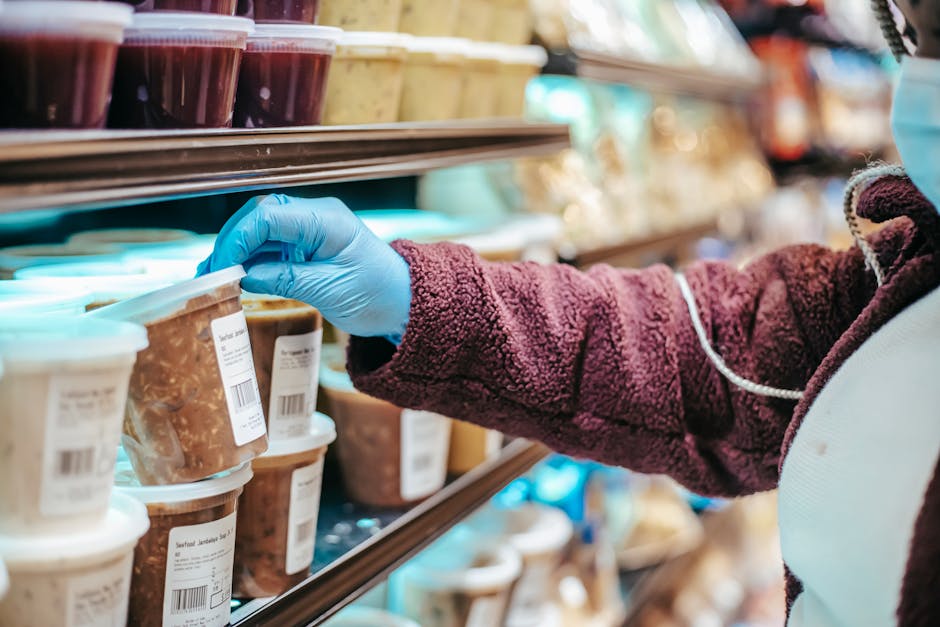
The real culprit—the silent saboteur—lives in the middle aisles of your grocery store. It’s hiding in plain sight. It’s in your “healthy” whole-wheat bread, your canned soup, your turkey breast slices, and every single jar of pasta sauce you’ve ever bought. Food manufacturers rely on sodium as a cheap flavor enhancer and a heavy-duty preservative. According to the American Heart Association, the average person consumes nearly double the recommended daily limit without ever touching a salt crystal.
When you flood your system with this processed sodium, your kidneys panic. They try to maintain a strict balance of electrolytes in your blood, so they hold onto extra water to dilute the excess salt. Boom—sudaneous puffiness. If you want to stop this vicious cycle, you need a systematic strategy.

Step 1: Perform a Kitchen Audit and Purge the Stealth Sodium
Trust me on this: willpower alone won’t save you if your pantry is a minefield. You need to clear the board. Spend twenty minutes pulling every single packaged, boxed, and canned item out of your cupboards. Grab a pair of reading glasses, because the salt content is deliberately buried in fine print.
Look at the Sodium line on the Nutrition Facts label. If a single serving of a snack contains more than 140 milligrams of sodium, toss it or give it away. Pay brutal attention to serving sizes, too. Manufacturers love to list a bag of chips as “two and a half servings” so the sodium count looks deceptively low. Zero in on condiments as well. Soy sauce, ketchup, bottled salad dressings, and barbecue sauces are basically liquid salt lakes. Switch them out for low-sodium alternatives, or better yet, make your own simple dressings using olive oil, vinegar, and fresh citrus.
Step 2: Master the Art of Potassium-Sodium Balancing
Reducing sodium is only half the battle. If you want to accelerate the flushing of retained water, you have to look at sodium’s physiological dance partner: potassium. These two minerals work in a delicate, cellular push-and-pull system.
When your potassium intake is low, your body holds onto sodium much more aggressively. By flooding your system with potassium-rich whole foods, you trigger a natural diuretic effect. Your kidneys get the signal to let go of the excess sodium—and the water tagging along behind it. Ditch the synthetic supplements and go straight to the source:
- Spinach and dark leafy greens
- Avocados
- Sweet potatoes (with the skin on)
- Wild-caught salmon
- White beans and lentils
Just a quick caution: if you have underlying kidney issues, consult a medical professional before drastically ramping up your potassium. Otherwise, lean heavily into these whole foods to reset your cellular balance.
Step 3: Retrain Your Taste Buds Without Hating Your Life
I know what you’re thinking. “If I cut out salt, my food is going to taste like wet cardboard.” I get it. I’ve been there. When you first drop your sodium intake, your taste buds will revolt. Everything will taste flat and boring for about seven to ten days.
Don’t quit. This is just a neurological withdrawal phase. Your palate is addicted to high-stimulation chemical seasoning. Once you push past that ten-day mark, something amazing happens: your taste buds wake up. You’ll start tasting the natural sweetness in carrots, the earthy richness of beef, and the bright acidity of tomatoes.
While you’re bridging the gap, weaponize aromatic spices and acids. Salt makes food taste “salty,” but clinical dietitians note that acid makes food taste “bright.” Splash fresh lemon or lime juice over your roasted vegetables. Use garlic powder, smoked paprika, cumin, and fresh rosemary to build complex flavor profiles that trick your brain into forgetting the salt shaker ever existed.
Step 4: Hydrate to Dehydrate (The Counterintuitive Fix)
This is where most people completely shoot themselves in the foot. They see water retention, panic, and stop drinking water. They think, *If I’m holding water, I should drink less water.
That is the exact opposite of what you should do. If you dehydrate yourself, your body panics and holds onto every single drop of water it currently possesses, concentrating the sodium even further. It’s a survival mechanism.
To flush out stubborn water retention, you have to drink *more* water, not less. Pushing fluids through your system signals your kidneys that water is abundant, safe to release, and ready to be flushed out along with the excess sodium. Aim for a baseline of clear fluids spread evenly throughout the day. If your urine looks like apple juice, you are failing this step. Get it to look like pale lemonade.
Frequently Asked Questions
How fast can I expect to lose water weight once I reduce sodium?
Most people notice a dramatic drop in water weight within 48 to 72 hours of slashing processed sodium and increasing their water intake. That initial two-to-four-pound drop is almost entirely retained fluid, which will instantly make your face and fingers look less puffy.
Is all salt bad for water retention?
No. Your body actually needs sodium to survive, contract muscles, and transmit nerve impulses. The problem isn’t natural sea salt or kosher salt used sparingly on whole foods; the problem is the industrial, highly refined sodium hidden in processed, packaged, and restaurant foods.
Why do I look bloated even though I eat a clean, low-sodium diet?
If your sodium is low and you’re still retaining water, look at other common triggers: chronic high stress (which spikes cortisol and holds onto water), lack of quality sleep, mild food sensitivities (like dairy or gluten), or a sudden increase in high-intensity exercise that causes muscle inflammation.
Do I need to buy expensive “diuretic supplements”?
Save your cash. Most over-the-counter water pills are just mild herbal blends (like dandelion root or green tea extract) packed with massive markups. Drinking extra water, eating potassium-dense vegetables, and breaking a sweat through cardio will do a far better job naturally.