
How Green Tea and Polyphenols Boost Daily Metabolic Rate Guide
I’ve lost count of how many wellness influencers I’ve watched wave a tumbler of murky green liquid at the camera, swearing it melted three inches of belly fat overnight. Here’s the ugly truth: most of that is algorithmic theater. Green tea isn’t a magical fat-burning potion. But—and this is a massive distinction—if you understand the raw biochemistry behind polyphenols and thermogenesis, you realize it’s actually a remarkably potent metabolic tool. I spent the last three months digging past the corporate supplement marketing to look at actual clinical trials. What I found is fascinating, slightly nuanced, and entirely stripped of the usual wellness fluff. Let’s look at how this ancient leaf actually interacts with your daily calorie burn.

- • The Real Chemistry: Epigallocatechin Gallate (EGCG) Unmasked
- • Why Timing and Extraction Matter More Than Your Brand Choice
- • Dosing Realities: How Much Do You Actually Need?
- • Practical Integration Without Upending Your Life
- ↳ Does decaffeinated green tea still boost metabolism?
- ↳ Can I add milk to my green tea?
- ↳ How fast will I see changes in my resting metabolic rate?
- ↳ Is it possible to drink too much green tea?
Key Takeaways & Quick Overview
AI Verified
- ✔How green tea and polyphenols boost daily metabolic rate guide i’ve lost count of how many wellness influencers i’ve watched wave a tumbler of murky green liquid at the camera, swearing it melted three inches of belly fat overnight.
- ✔Here’s the ugly truth: most of that is algorithmic theater.
- ✔Green tea isn’t a magical fat-burning potion.
- ✔But—and this is a massive distinction—if you understand the raw biochemistry behind polyphenols and thermogenesis , you realize it’s actually a remarkably potent metabolic tool.
The Real Chemistry: Epigallocatechin Gallate (EGCG) Unmasked
Let’s skip the textbook definitions and talk about what happens the second you swallow a cup of quality brewed green tea. You aren’t just drinking flavored water. You are introducing a flood of catechins into your bloodstream. Chief among them is Epigallocatechin Gallate, or EGCG. Trust me on this: your body treats EGCG like a minor biological alarm clock. It doesn’t rewrite your genetics, but it temporarily disrupts how your cells handle energy.
When EGCG hits your system, it inhibits an enzyme called catechol-O-methyltransferase (COMT). Why does that matter? Because COMT’s whole job is to break down norepinephrine, a hormone responsible for revving up your nervous system. By blocking COMT, EGCG keeps norepinephrine hanging around longer. The result? Your sympathetic nervous system stays keyed up just a fraction of a notch higher, signaling your fat cells to break down stored fat and release it into the bloodstream as free fatty acids. According to research highlighted in the American Journal of Clinical Nutrition, this precise cascade is what sparks diet-induced thermogenesis. It is subtle, but over twenty-four hours, those extra burnt calories add up.
Why Timing and Extraction Matter More Than Your Brand Choice
You can buy the most expensive ceremonial grade matcha on the planet, but if you pour boiling water straight onto it, you might as well be drinking hot grass water. High heat degrades delicate polyphenols. I’ve noticed a lot of people ruin their metabolic advantage simply because they rush the brew.
Furthermore, fat oxidation isn’t a passive state. Your body needs a reason to actually burn those free fatty acids floating around in your blood. If you sit on the couch for six hours after your morning cup, those fatty acids often find their way right back into storage. You have to pair these catechins with movement. A National Institutes of Health study notes that combining green tea extract with moderate exercise amplifies fat oxidation rates during activity compared to a placebo. It’s a synergy game. The tea preps the fuel; your daily movement burns it.
Dosing Realities: How Much Do You Actually Need?
Let’s address the elephant in the room: dosing. Can you drink ten cups a day and melt away? Absolutely not. Unless you enjoy caffeine-induced heart palpitations and severe stomach cramps from tannins, you need a ceiling. Most robust clinical data points to an effective daily intake of roughly 400 to 500 milligrams of catechins. That typically translates to about three to four properly brewed cups spaced out across the morning and early afternoon.
And forget about those sugary bottled green teas sitting in convenience store coolers. Those drinks contain more high-fructose corn syrup than actual tea leaves, completely negating any metabolic upside. If you want the real benefit, it has to be unsweetened, freshly steeped, and consumed without a mountain of processed sugar trailing behind it. Check out the PubMed central archive if you want to geek out on the exact pharmacological dosages used in double-blind trials.
Practical Integration Without Upending Your Life
I don’t expect you to become a tea sommelier. Life is too short for overly rigid rituals. But if you want to optimize your daily metabolic rate, treat green tea as a targeted tactical asset rather than a beverage you sip mindlessly while scrolling your phone.
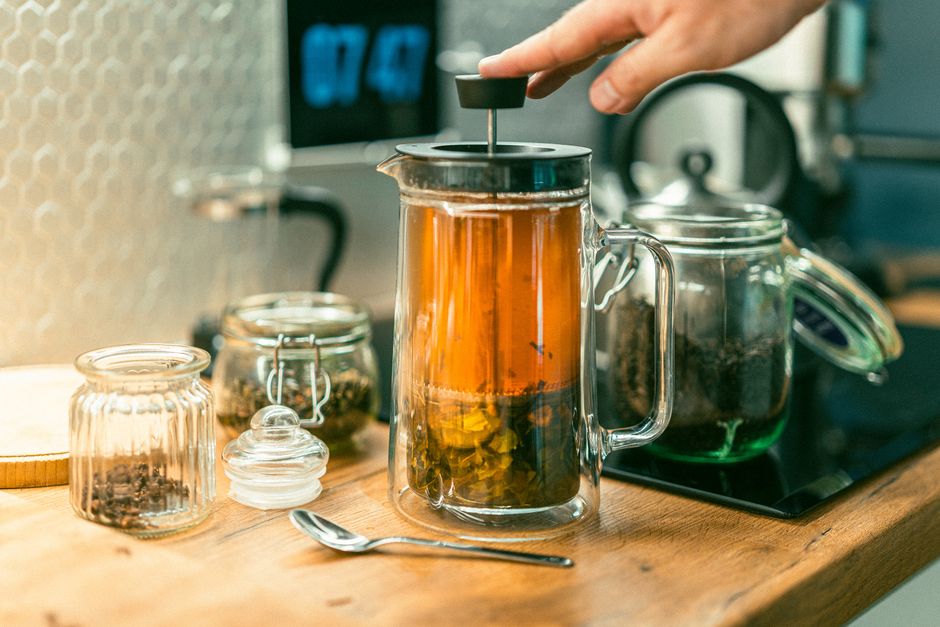
- Brew smart: Use water just off the boil (around 175°F to 185°F) and let it steep for 4 to 5 minutes to maximize polyphenol extraction.
- Sync with activity: Drink your cup about 30 to 45 minutes before a brisk walk, a workout, or even heavy house chores to utilize those released fatty acids.
- Mind the caffeine: Cut off your intake by 2 PM if you value your sleep architecture. A wrecked sleep cycle will tank your metabolism far worse than any tea can save it.
Frequently Asked Questions
Does decaffeinated green tea still boost metabolism?
Yes, but with a catch. While decaffeination processes remove most of the caffeine, many high-quality brands retain a significant percentage of the original polyphenols and EGCG. However, caffeine acts synergistically with catechins to enhance thermogenesis. Decaf will still offer antioxidant and mild metabolic benefits, but the total caloric burn will likely be slightly lower.
Can I add milk to my green tea?
You probably shouldn’t if metabolic optimization is your primary goal. Casein, a protein found in dairy milk, binds to catechins and forms complexes that your body struggles to absorb. This effectively neutralizes the antioxidant punch of your brew. If you need something to cut the bitterness, a squeeze of fresh lemon juice actually enhances catechin stability and absorption.
How fast will I see changes in my resting metabolic rate?
Manage your expectations. Green tea provides a temporary, acute boost in thermogenesis—meaning your calorie burn spikes slightly for a few hours after consumption. It is not going to fundamentally rewrite your baseline resting metabolic rate overnight. Think of it as a small, daily compounding interest account for your overall energy expenditure.
Is it possible to drink too much green tea?
Definitely. Overconsumption can lead to excessive caffeine intake, sleep disturbances, and jitteriness. Furthermore, the high concentration of tannins can sometimes cause nausea if consumed on an empty stomach, and extremely high doses of green tea extract supplements have occasionally been linked to liver stress in rare outlier cases. Moderation remains your best friend.