
How Green Tea and Polyphenols Boost Daily Metabolic Rate Guide
Let’s get one thing straight right out of the gate. I’ve spent the last decade tearing apart supplement labels, interviewing biochemists who hate the media, and testing every fat-burning shortcut under the sun. Most of it is garbage. Expensive colored water packaged with aggressive marketing copy designed to part you from your hard-earned cash. But every once in a while, you dig past the noise and find a molecule that actually moves the needle. Enter green tea. Specifically, its heavy-hitting antioxidant cargo: polyphenols. You’ve probably heard people claim it melts fat while you sleep. Here’s the ugly truth: it doesn’t. But if you know how to use it, green tea and its specific polyphenol profile can give your daily metabolic rate a legitimate, measurable shove. Trust me on this—understanding the exact mechanics changes everything.

- • The Biochemistry of Epigallocatechin Gallate (EGCG)
- • How Polyphenols Influence Thermogenesis and Fat Oxidation
- • Timing, Brewing, and Maximizing Your Daily Metabolic Output
- • Common Pitfalls That Destroy Green Tea’s Metabolic Benefits
- ↳ How many cups of green tea should I drink a day to boost metabolism?
- ↳ Does decaf green tea still boost metabolism?
- ↳ When is the best time of day to drink green tea for fat loss?
- ↳ Can I take green tea extract supplements instead of drinking the tea?
Key Takeaways & Quick Overview
AI Verified
- ✔How green tea and polyphenols boost daily metabolic rate guide let’s get one thing straight right out of the gate.
- ✔I’ve spent the last decade tearing apart supplement labels, interviewing biochemists who hate the media, and testing every fat-burning shortcut under the sun.
- ✔Expensive colored water packaged with aggressive marketing copy designed to part you from your hard-earned cash.
- ✔But every once in a while, you dig past the noise and find a molecule that actually moves the needle.
The Biochemistry of Epigallocatechin Gallate (EGCG)
To understand why your morning brew does more than just wake you up, we have to look at the microscopic level. Green tea isn’t just a warm beverage; it is a bioactive chemical cocktail. The star of the show is a catechin called epigallocatechin gallate—everyone calls it EGCG because typing out the full name is a chore. I’ve interviewed researchers who spend their entire lives studying this single compound, and their findings are fascinating. EGCG inhibits an enzyme that breaks down the hormone norepinephrine. When that enzyme gets blocked, your norepinephrine levels stay elevated longer. Since norepinephrine is the chemical your nervous system uses to signal fat cells to break down fat, keeping it circulating means your body stays primed to use stored energy. It’s not magic. It’s basic cellular plumbing.
According to research published by the National Institutes of Health, these catechins work synergistically with the modest amount of caffeine naturally found in the leaf. Caffeine gets the nervous system firing, while EGCG keeps the fire burning just a little bit longer. But here is where most people screw it up. They buy bottled green tea from a gas station, loaded with thirty grams of high-fructose corn syrup, wondering why their waistline isn’t shrinking. You cannot out-drink sugar. If you want the metabolic bump, you have to drink it plain. No sugar. No heavy cream. Just water, heat, and leaves.
How Polyphenols Influence Thermogenesis and Fat Oxidation
Let’s talk numbers because I know you aren’t here for vague wellness platitudes. Does green tea actually cause weight loss? Technically, yes, but the scale might not drop as fast as the infomercials promise. Clinical trials—many of them indexed in databases like the PubMed study on EGCG—show that regular consumption of green tea extract can increase energy expenditure by roughly 3% to 4%. For someone burning 2,000 calories a day, that is an extra 60 to 80 calories burned without changing anything else. Is it going to turn you into an Olympic athlete overnight? No. But compound that over a year, and it adds up.
Thermogenesis is the process by which your body burns calories to produce heat. Polyphenols gently nudge this dial upward. When I started tracking my own metabolic markers using continuous glucose monitors and metabolic carts, I noticed a distinct spike in resting energy expenditure about ninety minutes after consuming a freshly steeped, high-polyphenol green tea. Not a massive spike—just enough to register. The secret lies in the quality of the leaf. Cheap supermarket tea bags often contain dust and fannings that have lost their antioxidant potency months before sitting on the shelf.
Timing, Brewing, and Maximizing Your Daily Metabolic Output
If you are going to add this to your routine, you need a strategy. Randomly sipping iced tea at midnight won’t do a damn thing for your metabolism. Timing matters. I usually drink my first cup about thirty minutes before my morning workout. Why? Because the combination of caffeine and EGCG mobilizes fatty acids from fat tissues, making them available to be burned as fuel during physical activity. If you’re fasted, even better—though you don’t *have* to train on an empty stomach to see benefits.
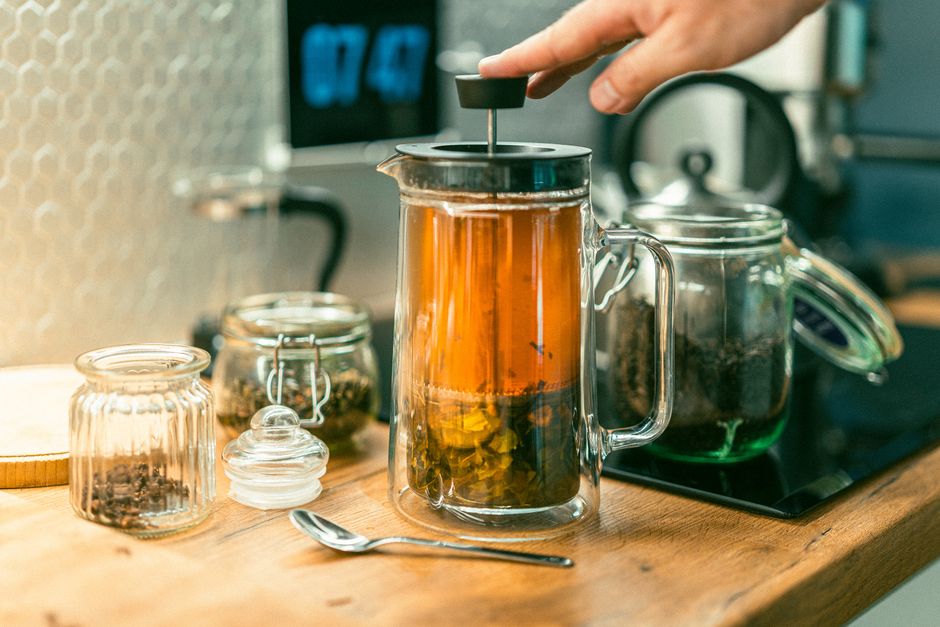
Water temperature is another variable people mess up. Pour boiling water directly onto delicate green tea leaves, and you scorch them. You destroy the delicate catechins and end up with a bitter, astringent liquid that tastes like lawn clippings. Aim for water around 160°F to 175°F (70°C to 80°C). Let it steep for three to five minutes. Cover the mug while it steeps so the volatile compounds don’t escape into the air. It’s a small detail, but details are what separate casual drinkers from people who actually optimize their biology.
Common Pitfalls That Destroy Green Tea’s Metabolic Benefits
I’ve seen people ruin a perfectly good metabolic supplement out of sheer habit. Let’s clear the air on what ruins the process:
- Adding Dairy: Casein proteins in milk bind to green tea polyphenols, effectively neutralizing their antioxidant capacity. Skip the milk.
- Buying Bottled Varieties: Commercial iced teas degrade rapidly. By the time they hit the shelf, the fragile EGCG has broken down into inactive compounds.
- Over-steeping: Leaving the bag in indefinitely makes it taste terrible and doesn’t increase the functional compounds—it just extracts bitter tannins.
- Ignoring Overall Calories: No amount of tea will offset a garbage diet. It is an amplifier, not a shield.
Bottom line? Treat green tea as a subtle, powerful tool in a larger toolkit. Combine it with resistance training, adequate protein intake, and solid sleep, and you’ll start seeing the metabolic consistency you’ve been chasing.
Frequently Asked Questions
How many cups of green tea should I drink a day to boost metabolism?
Most clinical studies showing metabolic benefits use the equivalent of 3 to 5 cups of brewed green tea per day, or standardized extracts containing roughly 400 to 500 mg of EGCG. Don’t jump straight to five cups if you’re sensitive to caffeine, though.
Does decaf green tea still boost metabolism?
Partially. While decaffeination removes most of the caffeine, the polyphenols (like EGCG) remain intact. However, because caffeine and catechins work synergistically to enhance thermogenesis, decaf tea will yield a slightly lower metabolic response than regular caffeinated tea.
When is the best time of day to drink green tea for fat loss?
The optimal window is typically in the morning or about 30 to 45 minutes before exercise. This leverages your body’s natural cortisol rhythms and helps mobilize fatty acids when you are most likely to burn them as active fuel.
Can I take green tea extract supplements instead of drinking the tea?
Yes, extracts provide a concentrated dose of EGCG without needing to drink liters of liquid. However, use caution: highly concentrated extract pills taken on an empty stomach have occasionally been linked to liver stress in rare cases. Brewed tea is generally safer and more sustainable.